Being your own boss comes with freedom—but also responsibility. One of the biggest financial obligations self-employed individuals and independent contractors face is paying taxes quarterly. Unlike employees who have taxes withheld from every paycheck, self-employed workers are responsible for paying as they go. Understanding how, when, and why you need to make these payments can save you from penalties and keep your business finances healthy.
Who Needs to Pay Quarterly Taxes?
If you’re self-employed—whether you run your own business, freelance, or work as an independent contractor—you’re responsible for paying both:
- Income taxes (federal, and sometimes state), and
- Self-employment taxes (Social Security and Medicare contributions).
The IRS requires quarterly estimated tax payments if you expect to owe at least $1,000 in taxes for the year after subtracting credits and withholding. Contractors are considered self-employed too, even if they only work for one client.
When Are Quarterly Taxes Due?
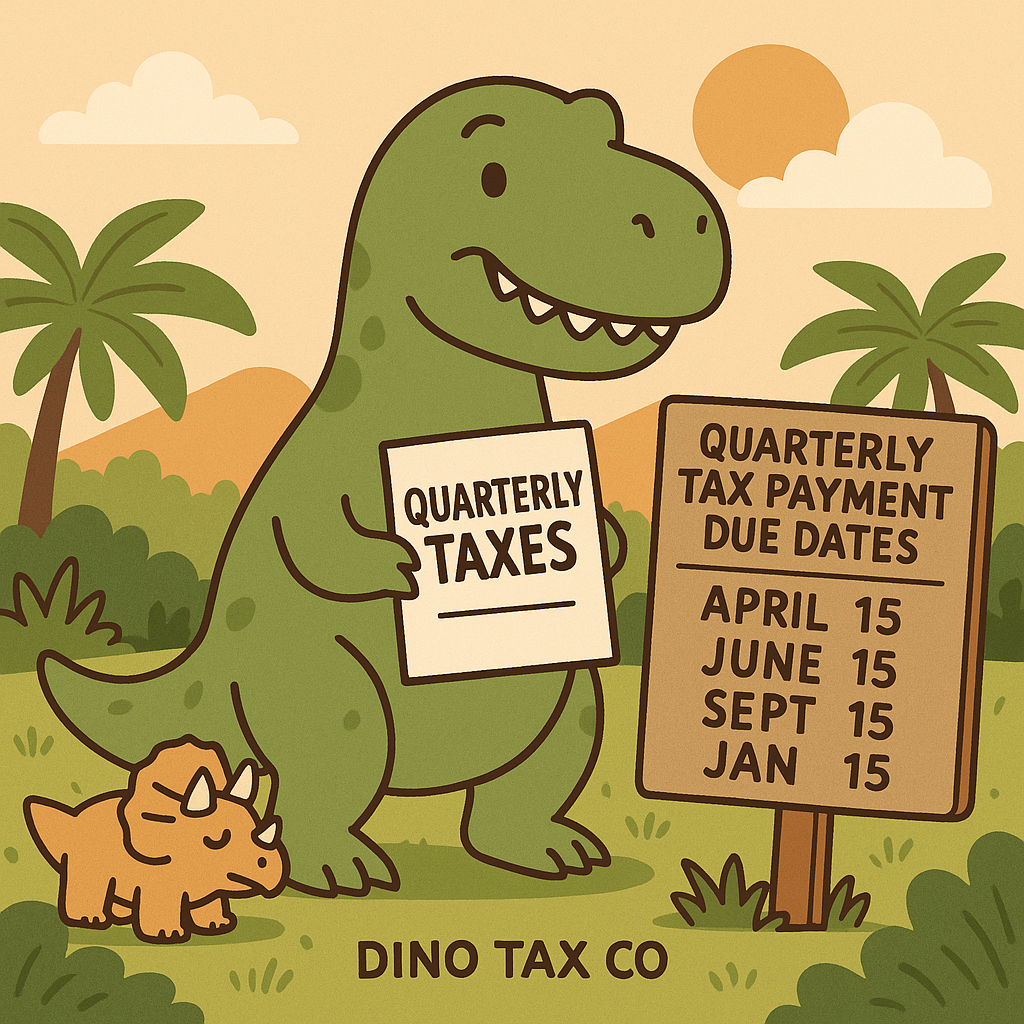
The IRS sets four deadlines each year:
- April 15 – Covers income earned January 1 – March 31
- June 15 – Covers income earned April 1 – May 31
- September 15 – Covers income earned June 1 – August 31
- January 15 (following year) – Covers income earned September 1 – December 31
(If these dates fall on a weekend or holiday, the deadline shifts to the next business day.)
How to Pay Quarterly Taxes
You have several options:
- IRS Direct Pay – Send payments directly from your bank account.
- EFTPS (Electronic Federal Tax Payment System) – A free, secure way to schedule and manage payments.
- IRS2Go App – The IRS’s mobile app allows payment through your device.
- Check or Money Order – Old-fashioned, but still accepted if mailed with a payment voucher (Form 1040-ES).
Some self-employed workers also use withholding on other income (for example, having more tax withheld from a spouse’s paycheck) to cover part of their obligation.
Why Paying Quarterly Matters
Failing to make estimated payments can lead to penalties and interest, even if you pay in full at tax time. The IRS expects tax to be paid as income is earned, not in a lump sum once a year. Timely quarterly payments also help you avoid a cash flow crisis by spreading out the obligation instead of facing one huge bill in April.
Final Thoughts
Quarterly tax payments may seem like a hassle, but they are part of the freedom and responsibility of self-employment. By staying on top of due dates and choosing the payment method that works best for you, you can keep your business on solid ground and avoid unpleasant surprises.
At Dino Tax Co, we help self-employed professionals plan, calculate, and stay compliant with their quarterly obligations—so you can focus on growing your business instead of stressing about taxes.
At Dino Tax Co, we help clients navigate tax matters ranging from unfiled returns to IRS letters and levies and everything in between with clarity and confidence. If you’d like guidance on your situation, schedule a consultation today. Call or text (713) 397-4678 or email davie@dinotaxco.com. We’re here to help you take the next step.

Leave A Comment