When it comes to running a business, taxes are an unavoidable part of the equation. One tax that often raises questions is the Federal Unemployment Tax Act (FUTA) tax. Understanding what it is and who is responsible for paying it can help you stay compliant and avoid costly penalties.
What is FUTA Tax?
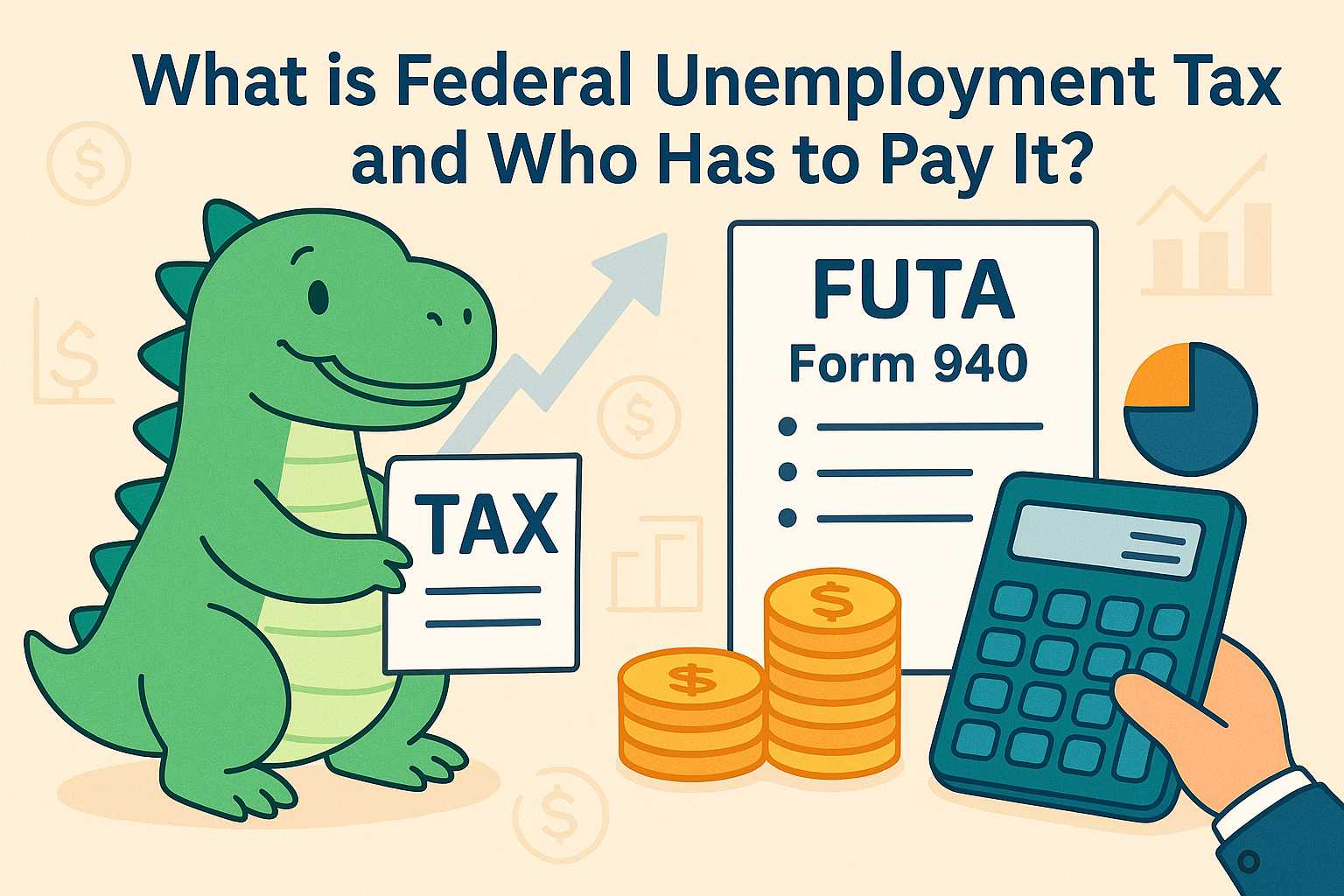
The Federal Unemployment Tax (FUTA) is a payroll tax that employers must pay to the federal government. The purpose of this tax is to fund the federal unemployment insurance system, which provides temporary payments to workers who lose their jobs.
Unlike income tax or Social Security tax, FUTA is paid entirely by employers—not employees. It does not come out of your workers’ paychecks.
How Does FUTA Work?
- Tax Rate: The standard FUTA tax rate is 6.0%.
- Wage Base: This rate only applies to the first $7,000 of each employee’s wages each year.
- Credits: Most employers receive a credit of up to 5.4% if they also pay their state unemployment taxes on time and in full. This typically reduces the effective FUTA rate to 0.6%.
For example:
If you have one employee who earns $20,000 in a year, FUTA only applies to the first $7,000. At the reduced rate of 0.6%, your FUTA liability for that employee would be $42 per year.
Who Has to Pay FUTA?
Generally, you must pay FUTA tax if:
- You paid $1,500 or more in wages in any calendar quarter during the current or previous year, OR
- You had at least one employee for part of a day in 20 or more different weeks during the current or previous year (this includes full-time, part-time, and temporary workers).
There are special rules for household employers, agricultural employers, and certain nonprofit organizations, but most businesses with employees will fall under FUTA requirements.
When and How to Pay FUTA
- Deposits: FUTA taxes are deposited quarterly if your tax liability is more than $500.
- Form 940: Employers file IRS Form 940, Employer’s Annual Federal Unemployment (FUTA) Tax Return, once a year. This form summarizes the FUTA taxes owed and payments made.
Why FUTA Compliance Matters
Failing to properly pay FUTA taxes can result in penalties, interest, and unnecessary headaches for your business. Since FUTA plays a critical role in the unemployment system, the IRS takes compliance seriously.
✅ Bottom Line:
If you have employees, chances are you need to pay FUTA. Fortunately, the actual cost is relatively low—especially after credits. Staying on top of your filing deadlines and deposits will keep you in good standing with the IRS and ensure your employees have access to unemployment benefits if needed.
At Dino Tax Co, we help clients navigate tax matters ranging from unfiled returns to IRS letters and levies and everything in between with clarity and confidence. If you’d like guidance on your situation, schedule a consultation today. Call or text (713) 397-4678 or email davie@dinotaxco.com. We’re here to help you take the next step.

Leave A Comment