
Inventory is one of the most important assets on a business’s balance sheet and a key factor in calculating taxable income. How you calculate and interpret inventory not only impacts financial statements but also affects how much tax you owe. The IRS allows several different methods for valuing inventory, each with its own advantages and tax consequences.
Common Inventory Valuation Methods
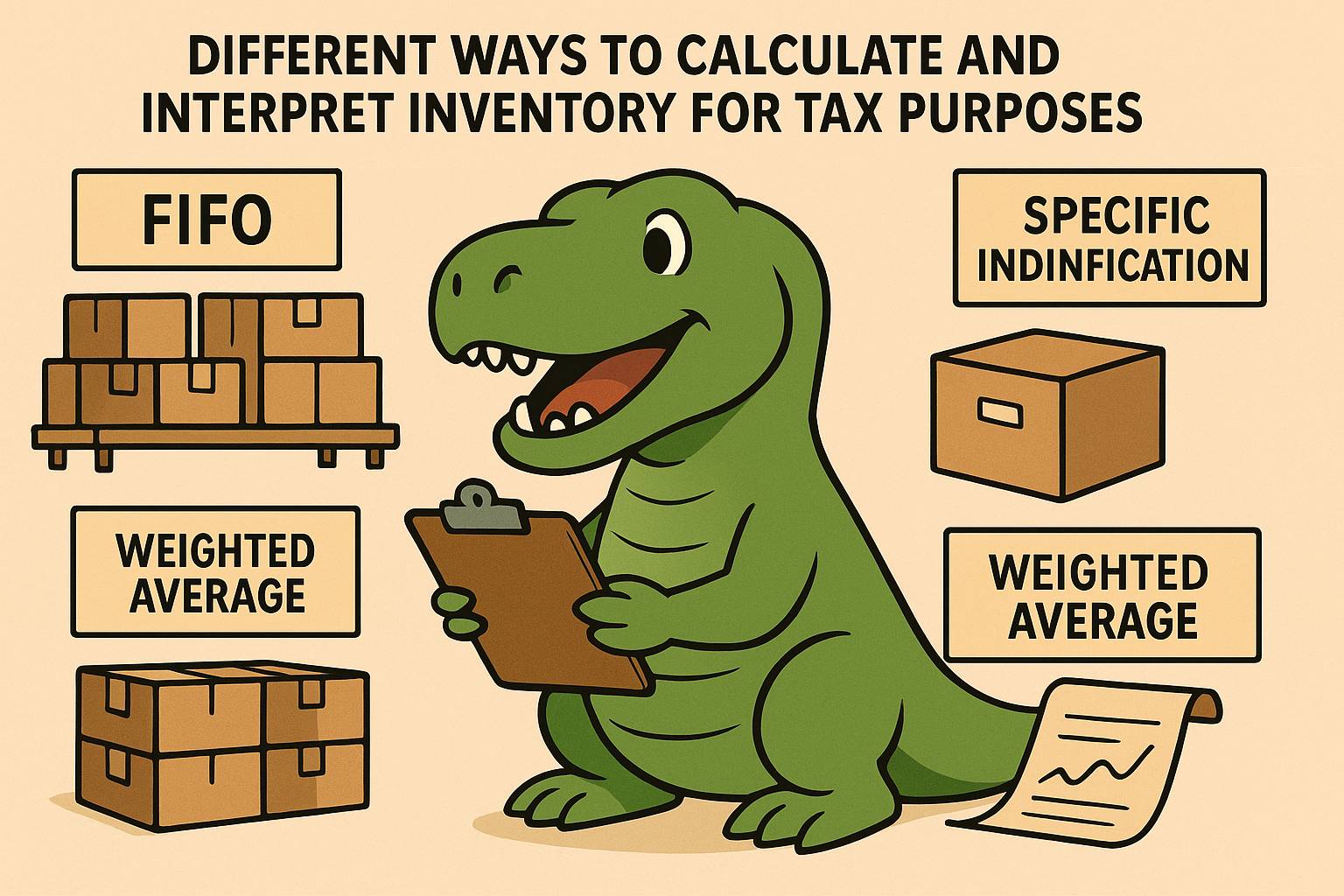
1. FIFO (First-In, First-Out)
Under FIFO, the first items purchased are assumed to be the first items sold.
- Effect: In times of rising prices, FIFO typically shows lower cost of goods sold (COGS) and higher taxable income.
- Best for: Businesses that want to show stronger profits or that operate in industries with perishable goods.
2. LIFO (Last-In, First-Out)
LIFO assumes the most recent purchases are sold first.
- Effect: In an inflationary environment, LIFO usually results in higher COGS and lower taxable income.
- Best for: Businesses seeking tax advantages when prices are steadily increasing. Note: LIFO is allowed for tax purposes in the U.S., but not under international accounting standards.
3. Specific Identification
This method tracks individual items, assigning exact costs to goods sold and goods remaining.
- Effect: Provides the most precise match between cost and revenue.
- Best for: High-value or unique items, such as jewelry, cars, or art.
4. Weighted Average Cost
This method averages the cost of all inventory items available during the period, smoothing out price fluctuations.
- Effect: Produces moderate results, with neither the highest nor the lowest COGS.
- Best for: Businesses with large volumes of similar goods where tracking each item isn’t practical.
Tax Implications
- COGS Calculation: Your chosen method directly impacts gross profit and taxable income.
- IRS Consistency Rule: Once you select a method, you must generally stick with it unless you file to change with IRS approval.
- Planning Considerations: LIFO can lower taxes during inflationary periods, but it may depress reported earnings. FIFO may increase taxes but present a stronger financial picture to investors or lenders.
Interpreting Inventory Results
Inventory valuation is not just about taxes—it also provides insight into how efficiently a business manages resources:
- High Ending Inventory: Could mean stockpiling or slow-moving goods.
- Low Ending Inventory: May reflect strong sales but could also indicate understocking.
- Turnover Ratios: Comparing sales to average inventory helps assess efficiency and liquidity.
Final Thoughts
Inventory isn’t just an accounting entry—it’s a strategic tool. Choosing the right valuation method can reduce tax liability, improve financial reporting, and help management make better business decisions. If you’re unsure which method fits your situation, consult a tax professional to align inventory practices with your overall business goals.
At Dino Tax Co, we help clients navigate tax matters ranging from unfiled returns to IRS letters and levies and everything in between with clarity and confidence. If you’d like guidance on your situation, schedule a consultation today. Call or text (713) 397-4678 or email davie@dinotaxco.com. We’re here to help you take the next step.

Leave A Comment